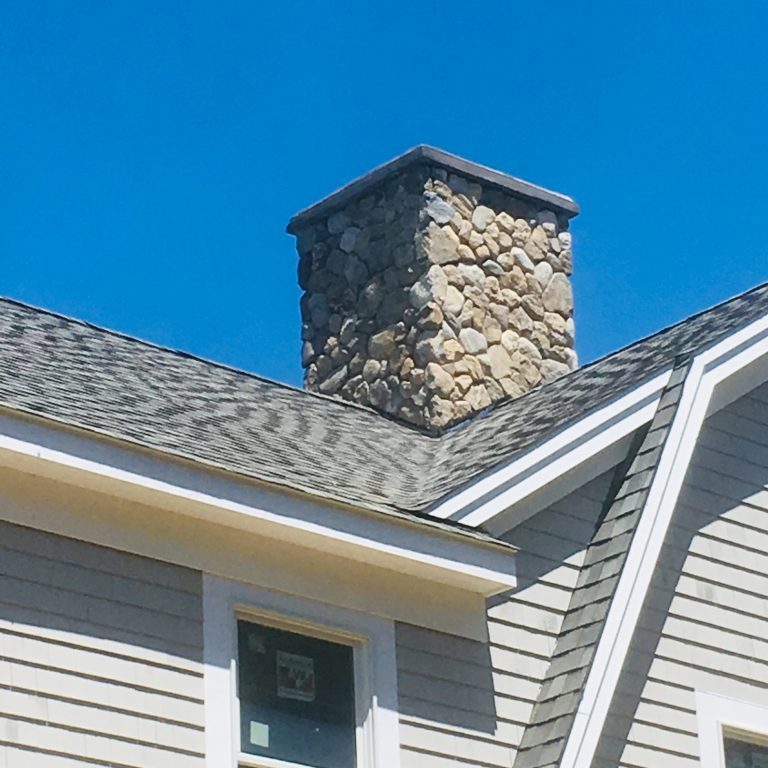
A retaining wall need to be robust sufficient to preserve again the stress of a remarkable weight of soil, but it must be porous sufficient to allow for drainage. The maximum famous types of walls are constructed of stone. In using stone to build a maintaining wall, there are two fundamental styles of production: the dry-wall, which uses earth as a filler between the stones, and the mortar type, which makes use of cement as a bonding agent.
First, the base of any retaining wall ought to be sunk underneath the frost line. This is ready 6-12 inches within the northern half of of the United States but can be greater in a few regions. For a flat wall (one without buttresses or projections), the width of the base need to same one-fourth the peak of the wall. The wall can taper to a width of about one-fourth of the width of the base.
For buttressed partitions, the base should be about one-fourth as wide as the wall is to be high. This refers to the widest factors, while buttressing is to be used. In the narrower areas, the bottom may additionally have slimmer proportions
Drainage pipes should be imbedded in the wall at intervals of about 24 inches, and approximately 6 inches from the lower floor stage of the preserving wall,. In some walls, it’s miles viable to do away with those drains, if the wall itself is porous sufficient, however any construction the usage of mortar as a bonding agent, makes drainage pipes critical.
In dry-wall construction it is feasible (although no longer advisable) to begin the wall at ground degree, and now not sink it underneath the frost line. The most inexpensive manner to assemble a dry wall is to select nearby stone, choosing massive stones for the principle ones and smaller stones for the chinks. The biggest stones must be used to shape the bottom of the wall with the smaller ones leading to the pinnacle.
The side of the wall going through out have to be as degree as feasible. Any obstructions and edges of outside stones must face inward. This offers the wall a higher footing on the soil it keeps and insures a good look. Stones with spherical surfaces do now not form a good wall and must be discarded. Visit here for https://capecodstonemasons.com/
Stones need to be positioned in a great bond, which surely means that the rims of stones on one course have to overlap areas in the lower guides. Where a stone on an higher direction is crooked or does no longer healthy firmly, earth and small stones must be packed in to improve the bond and no vertical crevices must be left.
The wall itself must slope returned against the soil that it’s far preserving. This offers it greater energy. As a rule of thumb, the width of the base should be one-third of the height. Although this degree of slope is not important, it’s far the practice in lots of regions to slope the wall as an awful lot as five or six inches for every vertical foot. Soil should be firmly packed into all wallet in the wall and have to be continued returned into the earth being retained.
Both the electricity and attractiveness of a dry stone wall can be stronger through the usage of it as a wall garden. It can also collect a mossy and elderly look actually by inexperienced-planting within the crevices. More color may be obtained, but, by means of planting any of several flowering plants, whose sturdy roots will serve the brought function of holding the wall together.
Plants which may be used to right impact are: flowering sorts inclusive of phlox, lawn pinks, sedum, snowy rock cress, azaleas, alyssum, evergreen candytuft, heather, and creeping veronicas; spreading vegetation inclusive of moss, phlox, lavender and hardy verbenna; small rosettes as well as little tufts that want solar and room for roots like sempervivium, yarrow, dwarf iris and dwarf pinks; and plant life you could grow from seed sown the various rocks such as some ivies, bleeding coronary heart and forms of poppy and phlox. Semperviviums, prostrate, junipers, azaleas and dwarf azaleas ought to hold a rock wall green all iciness lengthy.
Mortared and Concrete Walls
Mortared walls are easier than dry partitions. The mortar serves as the bond so it isn’t always as important to make the stones healthy. For a masonry wall, a cement aggregate of 1 part Portland cement and two elements sand makes for a terrific bonding agent.
Apply the mortar liberally to form a bed for each stone as it’s far brought. Chinks among stones should be well filled with smaller pebbles or gravel. The mortared wall is more permanent than a dry wall and, in reality, simpler to build.
The top of each stone wall, whether or not dry wall, or masonry, desires protection. This is accomplished by using wide, flat stones as capstones. These can either be slate or other flat stones acquired within the course of gathering the cloth for the wall.
 Lateste Gadget